How the University System Works in the United States
January 2, 2026
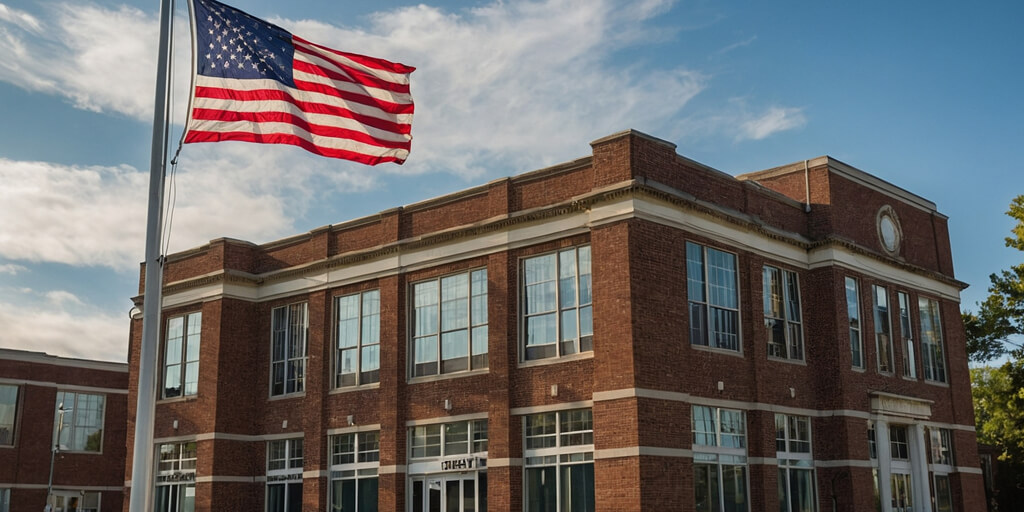
Studying in the United States is the goal of many international students who begin their journey through an English course. However, the U.S. university system works differently from many other countries, and understanding this structure is essential for proper academic planning.
In this article, we clearly explain how the university system works in the United States, the main types of institutions, how academic programs are structured, and why English is the foundation for this transition.
Types of Higher Education Institutions in the U.S.
The U.S. university system includes different types of institutions, each with specific goals and profiles.
Community Colleges
These are two-year institutions offering associate degrees and certificates. They are usually more affordable and are a popular option for international students who want to start their academic journey in the U.S. and later transfer credits to a university.
Colleges and Universities
They offer Bachelor’s, Master’s, and PhD programs. Universities typically have a larger structure and focus on research, while colleges are more teaching-oriented.
👉 Many students begin with an English course in the United States before enrolling in one of these institutions. Learn more about Lumos programs:
https://lumos.edu/
What Are Majors and Minors
Unlike other education systems, U.S. students choose a major, which is their main field of study, and may also choose a minor, a secondary area.
This decision is not always made at the beginning. In many cases, students have time to explore different subjects before defining their academic focus.
Credit System and Academic Load

U.S. universities use a credit-based system, and each course is worth a specific number of credits.
- Students must complete a minimum number of credits to graduate
- Academic load varies by semester
- Progress depends on performance in each course
This system offers flexibility but requires strong academic English skills, as evaluations are largely based on papers, readings, and presentations.
Undergraduate vs. Graduate Programs
Undergraduate Programs
These correspond to Bachelor’s Degree programs and usually last about four years.
Graduate Programs
These include Master’s and PhD programs, require prior education, and demand an advanced level of English, often proven through exams such as the TOEFL or IELTS.
Because of this, many international students choose to strengthen their English before applying to academic programs.
The Role of the Academic Advisor
An Academic Advisor is responsible for helping students:
- Choose courses
- Plan their academic load
- Ensure credits are correctly applied
- Avoid delays in graduation
For international students, this guidance is essential to maintain both academic and immigration status.
University Costs and More Affordable Options

The cost of studying in the U.S. varies by institution, state, and program. Main expenses include:
- Tuition
- Administrative fees
- Books and materials
- Health insurance
For this reason, Community Colleges and a strong English foundation are often smart strategies to reduce initial costs.
The Importance of English and the TOEFL in the University Transition
Regardless of the institution chosen, English is the main requirement to enter and adapt to the U.S. university system. Beyond everyday fluency, universities require proof of academic English, most commonly through the TOEFL.
English courses in the U.S. help students:
- Develop academic English skills in reading, writing, listening, and speaking
- Understand the dynamics of university classes, exams, and assignments
- Build confidence for oral presentations and academic writing
- Adapt to the American educational culture
- Prepare strategically for the TOEFL, a common university admission requirement
👉 Lumos Language School offers a TOEFL preparation program focused on the real academic requirements of U.S. universities:
https://lumos.edu/toefl/
👉 Lumos also supports international students throughout their academic transition in a structured and secure way:
https://lumos.edu/about-us/
Conclusion
The U.S. university system offers flexibility, a wide range of institutions, and multiple academic pathways. However, understanding its structure is essential to make strategic decisions and avoid planning mistakes.
Starting with the right English program, at an accredited school, is the first step toward studying legally and building a solid academic future in the United States.